
The Psychological Appeal of Slot Machines
The allure of slot machines largely stems from their psychological design. When players engage with these machines, they experience a rush of excitement driven by the anticipation of potential wins. This anticipation is often amplified by the auditory and visual stimuli that accompany each spin, especially in casinos that offer online casino instant withdrawal options. The bright lights, enticing sounds, and engaging animations create an immersive environment that captivates players, drawing them into a world of possibility where every pull could lead to a life-changing jackpot. In this thrilling atmosphere, the combination of sensory inputs keeps players on the edge of their seats, reinforcing their desire to continue playing.
Addiction often thrives in environments where rewards are unpredictable, and slot machines perfectly embody this concept. The random nature of payouts keeps players engaged, as they never know when the next win might occur. This uncertainty stimulates the brain’s reward centers, releasing dopamine, a neurotransmitter associated with pleasure. This biochemical reward reinforces the behavior, leading players to return for more, as they chase the euphoric feeling that accompanies a win. The repetitive cycle of playing, winning, and losing creates a dynamic that can ensnare even the most cautious individuals.
Moreover, the design of these machines employs various psychological tricks, such as near misses, which are engineered to make players feel as though they are very close to winning. These moments can create a false sense of confidence, compelling players to continue gambling in hopes of achieving the elusive big win. Additionally, the concept of “losses disguised as wins” can further enhance this illusion, where players are led to believe they are winning even when they are not profiting overall. Understanding these psychological triggers is crucial in comprehending why so many find themselves drawn to the spinning reels.
The Role of Variable Rewards
Slot machines utilize a system of variable rewards, which plays a critical role in their addictive nature. Unlike games that offer consistent payouts, slot machines provide sporadic and unpredictable wins, which can be highly enticing. This mechanism creates a cycle of hope and anticipation; players often feel encouraged to continue playing, as each spin holds the potential for a significant reward. This unpredictability is akin to playing the lottery, where the excitement of possibly winning can lead to impulsive behavior. The thrill of the unknown keeps players engaged, as they fantasize about hitting it big with just one more spin.
The unpredictability of wins activates the brain’s reward system in ways that consistent rewards do not. This phenomenon, referred to as the “gamblers’ fallacy,” can lead individuals to believe that they are more likely to win after a series of losses or that they are ‘due’ for a payout. As a result, players can become trapped in a cycle of chasing that next win, often leading to excessive play and financial loss. The psychological manipulation inherent in this system keeps players entranced and willing to risk their funds in pursuit of the next big thrill.

Research has shown that players are more likely to return to machines that offer variable rewards than to those with predictable outcomes. This has prompted machine designers to continually innovate and improve their products to incorporate more of these variable reward systems, ensuring that players remain engaged and invested. Consequently, the cycle of addiction continues to thrive within the gaming environment. As players become more familiar with these systems, their commitment to the experience deepens, making it harder for them to walk away.
The Influence of Social and Environmental Factors
The environment in which slot machines are found also contributes to their addictive nature. Casinos are designed to be enticing and engaging, with minimal distractions that facilitate extended play. The absence of clocks and windows encourages players to lose track of time, furthering their immersion in the experience. This can make it difficult for individuals to recognize how much time they are spending playing, often leading to longer gaming sessions than they originally intended. The carefully crafted ambiance of casinos is meant to keep players inside, creating a sense of urgency and excitement that compels them to keep playing.
Moreover, the presence of other players can create a sense of camaraderie and excitement that amplifies the desire to continue playing. Witnessing others win can trigger a desire to partake in the same luck, driving players to stay longer in hopes of experiencing similar success. Additionally, social interactions can lead to shared experiences, reinforcing the community aspect of gambling, which can make quitting even more challenging. The social environment can act as a catalyst for enhancing the thrill of gaming, creating an atmosphere where players feel compelled to join in the fun.
The ambiance of the casino, filled with celebratory sounds and visuals from nearby winning players, also plays a critical role in creating an exhilarating atmosphere. This stimulating environment can heighten emotions, making the experience feel more significant. As a result, players can become more susceptible to the allure of slot machines as they associate their experiences with excitement and social interaction, solidifying their path toward addiction. The combination of environmental factors with the psychological triggers of the games creates a powerful draw that is difficult for many to resist.
Technology and Slot Machine Design
Modern slot machines are sophisticated pieces of technology designed to optimize player engagement. With the utilization of advanced graphics, immersive soundscapes, and interactive elements, today’s machines create a far richer experience compared to their predecessors. This development not only enhances the entertainment aspect but also contributes to increasing the likelihood of prolonged play, as players are drawn to the rich visual and auditory feedback. As technology continues to evolve, the gaming experience becomes increasingly captivating, further entrenching players in the world of slots.
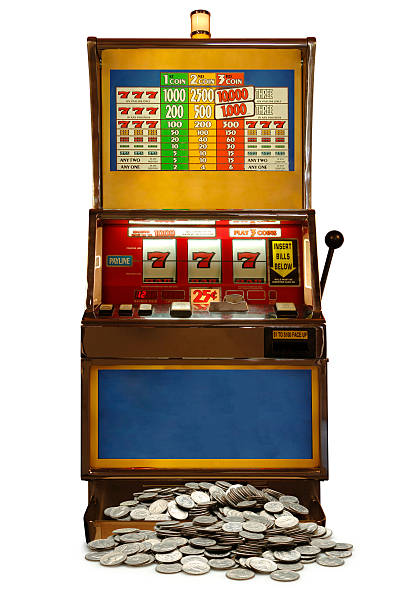
Features such as bonus rounds, free spins, and progressive jackpots also add layers of complexity and excitement to the gaming experience. These features can create extended play sessions, as they offer players the chance to win more without additional costs. The excitement associated with unlocking these features can keep players coming back, eager to experience the thrill again. Additionally, the gamification elements integrated into slot machines can mimic the characteristics of video games, appealing to a broader audience. This blend of gaming and traditional slots attracts a new generation of players who may not have previously engaged with gambling.
The rapid evolution of technology has also enabled casinos to track player behavior more effectively, allowing them to tailor promotions and offers that appeal to individual preferences. This personalized approach can further exacerbate gambling habits, as players are incentivized to return frequently to use their rewards. Understanding the intricate relationship between technology and player behavior is crucial for comprehending the factors that foster the addictive nature of slot machines. Casinos leverage data analytics to enhance player engagement, creating a feedback loop that encourages continued participation.
Understanding Addiction and Responsible Gaming
Recognizing the addictive nature of slot machines is essential for both players and casino operators. Education about responsible gaming practices is critical in preventing gambling addiction. Players should be aware of their limits and the potential for gambling to escalate into problematic behavior. It is important to approach gaming as a form of entertainment rather than a way to make money, ensuring that personal financial boundaries are respected. By fostering a mindset of enjoyment rather than obligation, players can better manage their gaming habits.
Casinos and gaming establishments also play a crucial role in promoting responsible gaming. Many are now implementing measures to assist players in maintaining control over their gambling habits. These initiatives may include self-exclusion programs, setting deposit limits, and providing information about responsible gaming resources. By fostering a culture of awareness and accountability, the gaming industry can help mitigate the risks associated with addictive behaviors. A proactive approach can empower players to make informed decisions about their gaming activities.
As knowledge surrounding gambling addiction continues to expand, ongoing discussions about how to create safer gaming environments are necessary. Collaboration between players, operators, and regulatory bodies is vital to establish frameworks that promote player well-being while maintaining the entertainment value that slot machines provide. An informed approach can help individuals enjoy gaming responsibly and minimize the risks associated with addiction. Ultimately, a comprehensive understanding of these dynamics can lead to a healthier gaming landscape for all involved.